Installing a fence is a practical investment that improves property boundaries, security, and overall functionality. Whether you are a homeowner or a business owner, understanding the process behind wichita fence installation helps you make informed decisions and avoid costly mistakes.
This guide explains each phase of the installation process in detail, from planning and material selection to final inspection. It also highlights what to expect when working with a professional contractor like Preferred Fencing LLC, while maintaining a clear and informative perspective.
Why Proper Fence Installation Matters
Fence installation is more than placing posts in the ground. A properly installed fence ensures:
- Long term durability
- Structural stability
- Compliance with local regulations
- Clear property boundaries
- Improved privacy and security
In Wichita, soil conditions, weather patterns, and zoning requirements all play a role. That is why local fence installation requires both technical knowledge and familiarity with regional conditions.
Overview of the Fence Installation Process
The fence installation process involves several structured steps. Each phase contributes to the final quality and lifespan of the fence.
Fence Installation Process Summary
| Step | Description | Importance |
| Consultation | Assess property and needs | Ensures proper planning |
| Permits | Verify local regulations | Avoids legal issues |
| Material Selection | Choose fence type | Impacts durability |
| Layout | Mark boundaries | Ensures accuracy |
| Post Installation | Set foundation | Critical for stability |
| Panel Installation | Build fence structure | Defines appearance |
| Finishing | Gates and adjustments | Adds functionality |
| Inspection | Final quality check | Ensures longevity |
Initial Consultation and Site Assessment
The process begins with a detailed consultation. During this phase, professionals evaluate the property and discuss your requirements.
Key Activities
- Inspecting terrain and soil conditions
- Identifying property lines
- Understanding privacy or security goals
- Discussing design preferences
A company like Preferred Fencing LLC typically conducts a thorough site visit to ensure accuracy before any work begins.
Planning and Permits
Before installation, it is important to comply with local regulations in Wichita.
What This Includes
- Checking zoning laws
- Reviewing HOA guidelines if applicable
- Securing permits when required
- Confirming height and boundary restrictions
Skipping this step can result in fines or removal of the fence. This is a critical part of wichita fence installation that ensures your project is legally compliant.
Choosing the Right Materials
Material selection directly affects the fence’s durability, maintenance, and appearance.
Common Fence Materials
Wood Fencing
- Natural appearance
- Requires regular maintenance
Vinyl Fencing
- Low maintenance
- Resistant to weather
Chain Link Fencing
- Cost effective
- Suitable for security purposes
Metal Fencing
- Durable and strong
- Ideal for commercial properties
Preferred Fencing LLC often helps clients choose materials based on property type, budget, and long term goals.
Measuring and Layout
Accurate measurement ensures the fence is installed correctly within property boundaries.
Process Details
- Marking fence lines using stakes and string
- Measuring distances between posts
- Identifying gate placement
- Adjusting layout for slopes or uneven terrain
This step minimizes errors and ensures consistency throughout the installation.
Post Installation
Fence posts form the foundation of the structure. Improperly installed posts can lead to leaning or collapse over time.
Key Considerations
- Digging holes to proper depth
- Using concrete for stability
- Ensuring posts are level and aligned
- Allowing curing time before proceeding
In local fence installation, soil type in Wichita plays a significant role in how posts are set.
Fence Panel or Board Installation
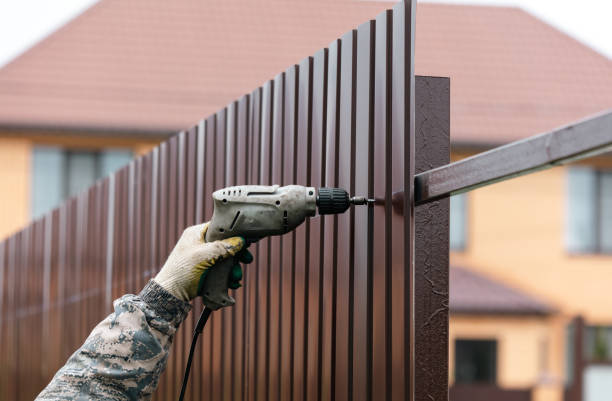
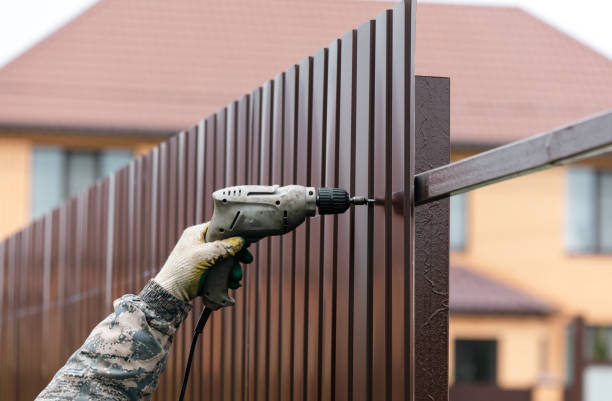
Once the posts are secure, the next step is attaching panels or boards.
What Happens Here
- Installing horizontal rails
- Attaching fence boards or panels
- Maintaining consistent spacing
- Ensuring alignment across sections
This stage defines the visual appearance of the fence and contributes to its structural integrity.
Gates and Finishing Touches
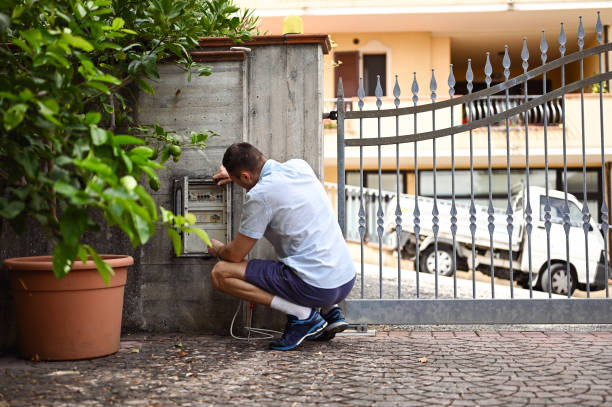
Gates are essential for accessibility and functionality.
Installation Includes
- Positioning gate posts
- Installing hinges and latches
- Ensuring smooth opening and closing
- Adding decorative or protective elements
Preferred Fencing LLC ensures that gates are properly aligned and integrated with the overall fence design.
Final Inspection and Cleanup
The final stage involves reviewing the entire installation to ensure quality and completeness.
Inspection Checklist
- Alignment of fence panels
- Stability of posts
- Proper gate operation
- Removal of debris and materials
A thorough inspection ensures the fence meets both functional and aesthetic expectations.
Common Challenges in Local Fence Installation
Fence installation in Wichita can present unique challenges.
Typical Issues
- Uneven terrain
- Clay or rocky soil
- Weather delays
- Property line disputes
Working with experienced professionals like Preferred Fencing LLC helps address these challenges efficiently.
Maintenance Tips After Installation
Proper maintenance extends the lifespan of your fence.
General Tips
- Inspect regularly for damage
- Clean surfaces to prevent buildup
- Repaint or seal wood fences periodically
- Tighten hardware on gates
Maintenance requirements vary depending on the material used.
Why Work with Preferred Fencing LLC
Choosing the right contractor is essential for successful wichita fence installation.
Preferred Fencing LLC is known for:
- Knowledge of local regulations
- Experience with various fence types
- Structured installation process
- Attention to detail
Their approach ensures that each step of the process is handled carefully, from planning to final inspection.
Conclusion
Fence installation is a multi-step process that requires planning, precision, and attention to detail. From initial consultation to final inspection, each stage plays a role in ensuring a durable and functional fence.
Understanding the process helps property owners make informed decisions and set realistic expectations. Whether you are considering wood, vinyl, or metal fencing, working with a knowledgeable provider like Preferred Fencing LLC can make the process smoother and more efficient.
If you are planning your next fencing project, take the time to evaluate your needs and ensure every step is handled properly. For expert guidance or to schedule your project, contact us at Preferred Fencing LLC to get started.
FAQ Section
1. How long does fence installation take in Wichita KS?
The timeline depends on the size of the project and materials used. Most residential fences can be installed within a few days, while larger or more complex projects may take longer.
2. Do I need a permit for fence installation in Wichita?
In many cases, yes. Permit requirements depend on fence height, location, and local regulations. It is important to verify this before starting the project.
3. What is the best material for local fence installation?
The best material depends on your needs. Wood offers a natural look, vinyl requires less maintenance, and metal provides durability.
4. How deep should fence posts be installed?
Typically, fence posts are set at least one third of their length into the ground. Soil conditions in Wichita may require adjustments.
5. How do I maintain my fence after installation?
Maintenance includes cleaning, inspecting for damage, and performing repairs as needed. Wood fences may require sealing or staining.
6. Can I install a fence on uneven terrain?
Yes, but it requires careful planning and adjustments during the layout and installation phases.
7. Why should I hire a professional for fence installation?
Professionals ensure accurate measurements, proper installation, and compliance with local regulations, reducing the risk of future issues.