Cedar is one of the most commonly used wood types for outdoor fencing because of its natural beauty, durability, and resistance to insects and decay. However, many homeowners wonder whether cedar wood needs treatment or if it can be left untreated.
While cedar contains natural oils that help protect it from outdoor conditions, treatment can significantly improve its lifespan and appearance. Without proper maintenance, cedar gradually changes color, absorbs moisture, and becomes more vulnerable to weather-related damage.
Understanding when and why cedar should be treated helps homeowners make better decisions about fence maintenance. A properly maintained cedar fence can continue providing privacy, security, and visual appeal for many years.
For homeowners looking for information about fence care and maintenance, Preferred Fencing LLC provides guidance on protecting and maintaining different types of fencing materials.
Understanding Cedar Wood and Its Natural Properties
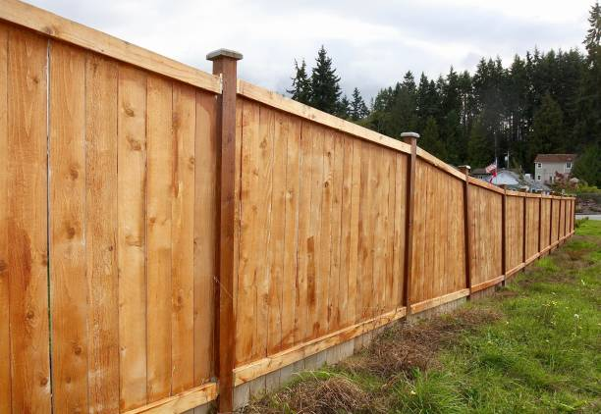
Cedar is naturally resistant to many outdoor challenges because of its built-in oils and tight grain structure. These characteristics make it a preferred choice for fences, decks, and other exterior wood applications.
However, natural resistance does not mean cedar is completely maintenance-free.
Outdoor exposure affects cedar over time. Sunlight, rain, humidity, temperature changes, and airborne debris can gradually alter the wood’s appearance and condition.
Why Cedar Is Popular for Outdoor Fencing
Cedar fencing is widely chosen because it offers several advantages:
- Natural resistance to insects
- Attractive wood grain
- Lightweight but strong structure
- Ability to hold stains and finishes well
- Good performance in different climates
The natural reddish-brown color of fresh cedar is one of its most recognizable features. Over time, however, untreated cedar typically develops a silver-gray appearance due to ultraviolet exposure.
Does Cedar Wood Need Treatment?
The short answer is that cedar does not always require treatment to survive outdoors, but treatment is recommended if you want to maintain its appearance and extend its service life.
Untreated cedar can remain structurally sound for years, especially when properly installed and located in a suitable environment. However, treated cedar usually performs better because protective products reduce the impact of moisture and sunlight.
Treatment does not change cedar’s natural qualities. Instead, it adds an extra layer of protection.
Common cedar treatments include:
- Exterior wood stains
- Water-repellent sealers
- UV-resistant finishes
- Combination stain and seal products
The right treatment depends on the desired appearance, local weather conditions, and maintenance preferences.
Natural Cedar vs Treated Cedar
Both untreated and treated cedar have benefits. The better option depends on what the homeowner wants from the fence.
| Feature | Untreated Cedar | Treated Cedar |
| Natural appearance | Maintains natural aging process | Can preserve original color |
| UV protection | Limited | Improved protection |
| Moisture resistance | Moderate | Higher resistance |
| Maintenance needs | More frequent cleaning may be needed | Requires periodic reapplication |
| Color changes | Turns gray naturally | Color can be maintained with stain |
| Lifespan support | Good | Better with proper care |
What Happens If Cedar Wood Is Left Untreated?
Leaving cedar untreated does not immediately damage the wood. However, several changes occur naturally over time.
Color Changes and Weathering
One of the first noticeable changes is fading. Cedar exposed to sunlight gradually loses its warm tones and develops a gray or silver appearance.
Some homeowners prefer this weathered look, while others want to maintain the original cedar color. Applying stain can help control this change.
A grey stained fence is also a popular option for homeowners who want a modern appearance while still highlighting the natural texture of cedar.
Grey tones can complement many home exterior styles and provide a more consistent appearance compared with naturally weathered wood.
Moisture and Surface Damage
Untreated cedar absorbs and releases moisture as weather conditions change. This natural process can contribute to:
- Small cracks
- Surface roughness
- Splitting
- Increased maintenance needs
Proper treatment helps reduce moisture absorption and protects the surface from repeated weather exposure.
How Treatment Protects a Cedar Fence
Treating cedar provides benefits beyond appearance. A quality finish creates a protective barrier that helps the wood handle outdoor conditions.
Staining Cedar Wood
Stain adds color while allowing the natural grain of cedar to remain visible. Unlike paint, stain penetrates the wood surface instead of creating only an outer coating.
Benefits of staining include:
- Protection against UV damage
- Improved appearance
- Reduced fading
- Better moisture resistance
Homeowners choosing a grey stained fence often select semi-transparent or solid stains depending on how much wood grain they want visible.
Sealing Cedar for Long-Term Protection
A wood sealer helps reduce water penetration. This is especially useful in areas that experience frequent rain, snow, or humidity.
Sealing can help:
- Prevent excessive moisture absorption
- Reduce cracking
- Maintain a cleaner surface
- Support longer fence life
The frequency of sealing depends on the product used and the local environment.
Choosing the Right Finish for a Cedar Fence
Selecting the right finish is an important part of cedar fence maintenance. The best option depends on the appearance you want, the amount of protection needed, and how much maintenance you are willing to perform.
Transparent Stains
Transparent stains allow the natural cedar grain and texture to remain visible. They provide a subtle layer of protection while maintaining the wood’s original appearance.
This option works well for homeowners who prefer a natural look and want to highlight cedar’s character.
Semi-Transparent Stains
Semi-transparent stains are a common choice for cedar fences because they balance protection and appearance.
They provide:
- UV protection
- Moderate color enhancement
- Visible wood grain
- Moisture resistance
Many homeowners choose this option when creating a grey stained fence because it offers a modern appearance while still showing the natural pattern of the cedar.
Solid Stains
Solid stains provide more color coverage and are useful when cedar has already experienced significant weathering.
They can help create a more uniform appearance by covering some natural color variations while still allowing the texture of the wood to remain visible.
Factors That Affect Cedar Treatment Needs
The ideal treatment schedule depends on several factors.
Climate Conditions
Weather plays a major role in cedar maintenance. Fences in areas with heavy rainfall, high humidity, or intense sunlight may require more frequent treatment.
Fence Location
A cedar fence surrounded by trees, plants, or irrigation systems may experience more moisture exposure than a fence in an open area.
Previous Treatment
Previously stained or sealed cedar usually requires maintenance based on the condition of the existing finish.
Desired Appearance
Some homeowners prefer cedar’s natural silver-gray aging process, while others prefer maintaining a specific color through staining.
Cedar Fence Treatment Options Comparison Table
| Treatment Option | Main Purpose | Appearance | Maintenance Level |
| No treatment | Allow natural aging | Silver-gray over time | Low initial maintenance |
| Clear sealer | Reduce moisture absorption | Natural cedar color | Moderate |
| Transparent stain | Protect and enhance grain | Natural wood appearance | Moderate |
| Semi-transparent stain | Add color and protection | Visible grain with added color | Moderate |
| Solid stain | Provide stronger color coverage | More uniform finish | Lower frequency but requires preparation |
How Often Should Cedar Wood Be Treated?
There is no single treatment schedule that works for every cedar fence. Maintenance depends on weather exposure, product quality, and the fence’s current condition.
Many cedar fences benefit from:
- Cleaning once a year
- Inspection every season
- Restaining every few years when fading appears
- Resealing when water no longer beads on the surface
A simple water test can help determine whether cedar needs additional protection. If water absorbs quickly instead of forming small beads on the surface, the protective finish may need attention.
Cedar Fence Maintenance Tips
Regular maintenance helps preserve both the appearance and structure of cedar fencing.
Clean the Fence Regularly
Dirt, pollen, algae, and mildew can build up over time. Gentle cleaning helps prevent surface discoloration.
Avoid using excessive pressure because aggressive cleaning can damage cedar fibers.
Keep Plants Away From the Fence
Plants and shrubs growing directly against a fence can trap moisture and reduce airflow. Maintaining space around the fence helps the wood dry properly.
Inspect for Damage
Check for:
- Loose boards
- Cracks
- Damaged posts
- Peeling stain
- Areas of discoloration
Early repairs can prevent larger problems.
Apply Protection When Needed
Do not wait until the wood shows severe damage. Maintaining the finish at the right time helps protect the cedar before problems develop.
Preferred Fencing LLC recommends evaluating the condition of cedar fencing before choosing a treatment method because every fence experiences different levels of weather exposure.
Conclusion
Cedar wood is naturally durable, but proper treatment helps maintain its appearance and improve protection against outdoor conditions. While untreated cedar can develop a natural gray color over time, applying stain or sealer allows homeowners to control the appearance and protect the wood.
A grey stained fence is one option for homeowners who want a contemporary style while maintaining the natural texture of cedar. Regular cleaning, inspections, and timely treatment can help prevent unnecessary repairs and extend the life of a cedar fence.
Preferred Fencing LLC understands that every cedar fence has different maintenance needs based on climate, age, and exposure. Proper evaluation helps determine whether cleaning, staining, sealing, or repairs are needed.
If you need guidance about maintaining or improving your cedar fence, contact us to discuss the right approach for your property.
Frequently Asked Questions
Does cedar wood need to be treated?
Cedar does not require treatment to exist outdoors, but treating it helps protect against moisture, UV exposure, and weather-related aging. Treatment also helps maintain the appearance of the wood.
How long does untreated cedar last outside?
The lifespan of untreated cedar depends on installation quality, climate, and exposure conditions. While cedar naturally resists decay, regular maintenance can help extend its useful life.
Why does cedar turn gray?
Cedar turns gray because sunlight breaks down the natural pigments in the wood surface. Moisture and weather exposure also contribute to this color change.
Is a grey stained fence a good option for cedar?
Yes. A grey stained fence can provide a modern appearance while protecting the cedar surface. Grey stains are available in different shades and finishes depending on the desired look.
How often should cedar fences be stained?
Most cedar fences need staining every few years, but the exact timing depends on the stain type, weather conditions, and the condition of the wood.
Can old cedar fencing be treated?
Yes. Older cedar fencing can often be cleaned, repaired, and treated if the structure remains strong. Severely damaged or rotted sections may need replacement before treatment.
Should cedar be sealed after staining?
Some stains already include sealing properties. Whether additional sealing is needed depends on the product used and the level of protection required.