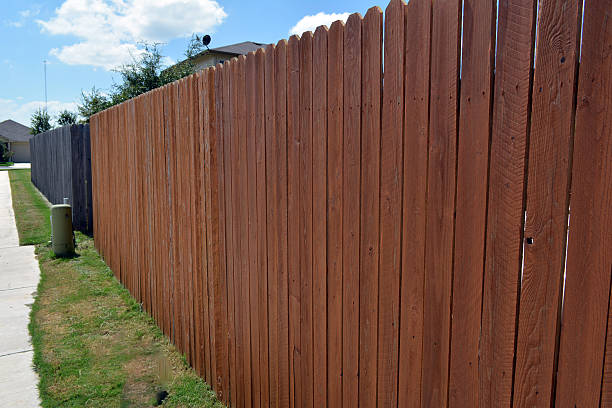
Cedar fencing is one of the most popular choices for residential and commercial properties because of its natural beauty, durability, and resistance to insects. However, many property owners notice that their beautiful golden-brown fence gradually changes colour over time. Seeing a cedar fence gray after only a few seasons often raises concerns about whether the wood is damaged or reaching the end of its lifespan.
The good news is that graying is usually a natural process rather than a sign of structural failure. Understanding why cedar changes colour and learning how to protect it can help preserve its appearance and extend its service life.
This guide explains why cedar fences turn gray, what causes the process to speed up, and practical ways to prevent premature weathering. If you are looking for professional fencing guidance, Preferred Fencing LLC provides expert fencing services and helpful resources.
Why Does a Cedar Fence Turn Gray?
The most common reason for a cedar fence gray appearance is exposure to sunlight and weather. Cedar contains natural oils and compounds that protect the wood from decay. Over time, ultraviolet (UV) rays break down the surface fibres of the wood.
Once these fibres begin to degrade, rain, wind, and moisture wash away the natural pigments that give cedar its warm colour. What remains is the silver-gray surface many homeowners notice after several months or years.
This colour change is completely natural and happens to untreated cedar throughout North America.
The Science Behind Cedar Weathering
Several environmental factors work together:
Ultraviolet Radiation
Sunlight breaks down lignin, the natural substance that binds wood fibres together.
Rain and Moisture
Water removes weakened wood fibres and natural oils from the surface.
Oxygen Exposure
Oxidation slowly alters the appearance of cedar over time.
Dirt and Airborne Pollutants
Dust, pollen, and environmental particles accumulate on the fence, contributing to uneven colouring.
Is a Gray Cedar Fence a Problem?
Not necessarily.
Many homeowners actually appreciate the rustic silver-grey appearance of naturally aged cedar. The colour change alone does not indicate that the fence is rotting.
However, while surface graying is cosmetic, neglecting maintenance may eventually allow moisture damage to develop.
A weathered fence should still be inspected regularly for:
- Loose boards
- Cracks
- Warping
- Mould
- Mildew
- Rot near ground contact
Regular inspections help catch small problems before they become expensive repairs.
Factors That Make Cedar Turn Gray Faster
Several environmental conditions can accelerate weathering.
Intense Sun Exposure
South-facing fences receive significantly more UV exposure than shaded areas.
Continuous sunlight speeds up fading and surface fibre breakdown.
Heavy Rainfall
Regions with frequent rain experience faster erosion of cedar’s natural protective oils.
Repeated wetting and drying also increase wood movement.
Snow and Ice
Cold climates expose fences to freeze-thaw cycles that gradually weaken exposed surfaces.
High Humidity
Moisture remains on the wood longer, encouraging algae, mildew, and staining.
Coastal Environments
Salt air and constant humidity can increase surface weathering.
Lack of Protective Finish
Untreated cedar naturally develops a gray appearance much sooner than stained or sealed cedar.
Causes of Cedar Fence Graying and Prevention
| Cause | Effect on Fence | Prevention |
| UV sunlight | Surface fading | Apply UV-resistant stain |
| Rain | Washes away natural oils | Seal wood regularly |
| Snow | Moisture penetration | Annual inspection |
| Humidity | Mildew growth | Improve airflow |
| Dirt buildup | Uneven colouring | Gentle cleaning |
| Age | Natural weathering | Regular maintenance |
How to Prevent Cedar Fence Gray Discoloration
Preventing graying begins immediately after installation.
Apply a High-Quality Stain
Semi-transparent stains are among the best options because they:
- Protect against UV rays
- Preserve natural wood grain
- Slow moisture penetration
- Extend fence life
Many professionals recommend applying stain within the first few months after installation.
Use a Wood Sealer
Clear sealers help repel water but offer less UV protection than pigmented stains.
Some products combine both stain and sealant.
Clean the Fence Regularly
Annual cleaning removes:
- Dirt
- Mould
- Mildew
- Algae
- Pollen
Cleaning also prepares the wood for future staining.
Avoid harsh pressure washing, which may damage cedar fibres.
Keep Vegetation Away
Bushes and vines trap moisture against fencing.
Maintain several inches of clearance around the fence to encourage airflow.
Improve Drainage
Standing water around fence posts increases moisture exposure.
Ensure proper grading around the fence line.
Choosing the Right Finish for Cedar
Different finishes provide different levels of protection.
Transparent Sealers
Best for preserving the natural appearance while adding water resistance.
Semi-Transparent Stains
These remain the most popular choice because they balance protection with natural wood beauty.
Solid Stains
Offer maximum UV protection while changing the appearance of the wood.
How to Restore a Gray Cedar Fence
If your fence has already weathered, restoration is often possible.
Step 1: Clean the Fence
Use a wood cleaner specifically designed for cedar.
Remove dirt, algae, mildew, and loose fibres.
Step 2: Brighten the Wood
Wood brighteners containing oxalic acid can restore much of cedar’s original colour.
Follow manufacturer instructions carefully.
Step 3: Allow Complete Drying
Wood should dry thoroughly before applying stain.
Step 4: Apply Protective Stain
Use even brush or sprayer coverage.
Work in manageable sections to avoid lap marks.
Cedar Fence Maintenance Schedule
Routine maintenance is the easiest way to preserve your investment.
Every Month
- Remove leaves
- Check for standing water
- Remove debris
Every Six Months
- Inspect for loose boards
- Check gate hardware
- Look for mould
Every Year
- Wash the fence
- Inspect stain condition
- Repair damaged boards
Every 2 to 4 Years
Depending on climate, reapply stain or protective finish.
Common Mistakes That Lead to Faster Graying
Many homeowners unintentionally shorten the life of their fence.
Waiting Too Long to Seal
Fresh cedar should receive protection before extensive UV exposure.
Using Interior Wood Products
Indoor finishes are not designed for outdoor conditions.
Overusing Pressure Washers
High-pressure cleaning can damage soft cedar fibres.
Ignoring Drainage Problems
Constant moisture accelerates deterioration.
Skipping Regular Maintenance
Small maintenance tasks prevent larger restoration projects.
Does Climate Affect Cedar Fence Colour?
Yes.
Climate has a major impact on how quickly a cedar fence gray appearance develops.
Sunny Regions
Strong UV exposure increases fading.
Rainy Areas
Moisture speeds up surface erosion.
Dry Climates
Less moisture reduces mould but intense sunlight may still bleach the wood.
Areas with Seasonal Weather
Freeze-thaw cycles create additional stress on exposed wood.
Understanding local environmental conditions helps determine the best maintenance schedule.
When Should You Call a Professional?
While basic cleaning and staining can be completed by many homeowners, professional assistance may be beneficial when:
- Large sections require restoration
- Staining has become uneven
- Rot is suspected
- Structural repairs are needed
- Fence replacement is being considered
Working with experienced fencing professionals helps ensure proper preparation and long-lasting protection.
Preferred Fencing LLC assists property owners with fence installation, repair, and maintenance recommendations suited to local conditions. Whether you are maintaining an existing cedar fence or planning a new installation, Preferred Fencing LLC offers guidance based on quality workmanship and local expertise.
Cedar Fence Care for Local Weather Conditions
Fence maintenance should always consider local climate patterns. Property owners in areas with high humidity, frequent rainfall, strong sunlight, or seasonal temperature changes should inspect cedar fencing more often than those in milder climates. Regional weather influences how quickly finishes wear down and how often cleaning or resealing is needed.
For homeowners and businesses seeking fencing advice specific to their location, Preferred Fencing LLC understands how local environmental conditions affect cedar fencing performance. A maintenance plan tailored to your area’s climate can help preserve both the appearance and longevity of your fence.
Conclusion
A cedar fence gray appearance is a natural result of exposure to sunlight, rain, and changing weather conditions. While this weathered look does not necessarily indicate damage, proper maintenance can preserve cedar’s rich natural colour for many years.
Routine cleaning, timely staining, moisture control, and regular inspections all play an important role in extending the life of your fence. Taking preventive measures early is generally easier and more cost-effective than restoring heavily weathered wood later.
Whether you need advice about cedar fence care, repairs, or a new installation, Preferred Fencing LLC can help you make informed decisions based on your property’s needs and local climate. Contact us to learn more about maintaining a durable and attractive cedar fence.
Frequently Asked Questions
Why does a cedar fence turn gray?
A cedar fence turns gray because ultraviolet sunlight breaks down the wood’s surface fibres, while rain and weather gradually remove its natural colour.
Can a gray cedar fence be restored?
Yes. Many gray cedar fences can be cleaned, brightened with a wood restoration product, and protected with a quality exterior stain.
How often should a cedar fence be stained?
Most cedar fences benefit from staining every two to four years, depending on weather exposure and the type of stain used.
Does sealing prevent cedar from turning gray?
A clear sealer helps reduce moisture absorption, but a UV-resistant stain provides better protection against colour fading.
Is a gray cedar fence damaged?
Not necessarily. Surface graying is usually cosmetic. However, regular inspections are important to identify any signs of rot, warping, or moisture damage.
What is the best way to clean a cedar fence?
Use a gentle wood cleaner, a soft brush, or low-pressure washing. Avoid aggressive pressure washing, as it can damage cedar fibres.
Does climate affect cedar fence maintenance?
Yes. Fences in areas with strong sunlight, heavy rainfall, high humidity, or freeze-thaw cycles generally require more frequent inspections and maintenance.