What Type of Wood Fence Lasts the Longest? Wichita Homeowner’s Guide
One of the most common questions homeowners ask when planning a new fence is, what type of wood fence lasts the longest? The answer depends on the kind of wood, how it’s treated, and how well it’s maintained over time. A well-built wooden fence adds warmth and character to your property, but choosing the right material is essential if you want it to stand firm through Kansas weather. At Preferred Fencing LLC, we help Wichita homeowners pick wood fencing that delivers both long life and timeless style.
Cedar: The Longstanding Favorite
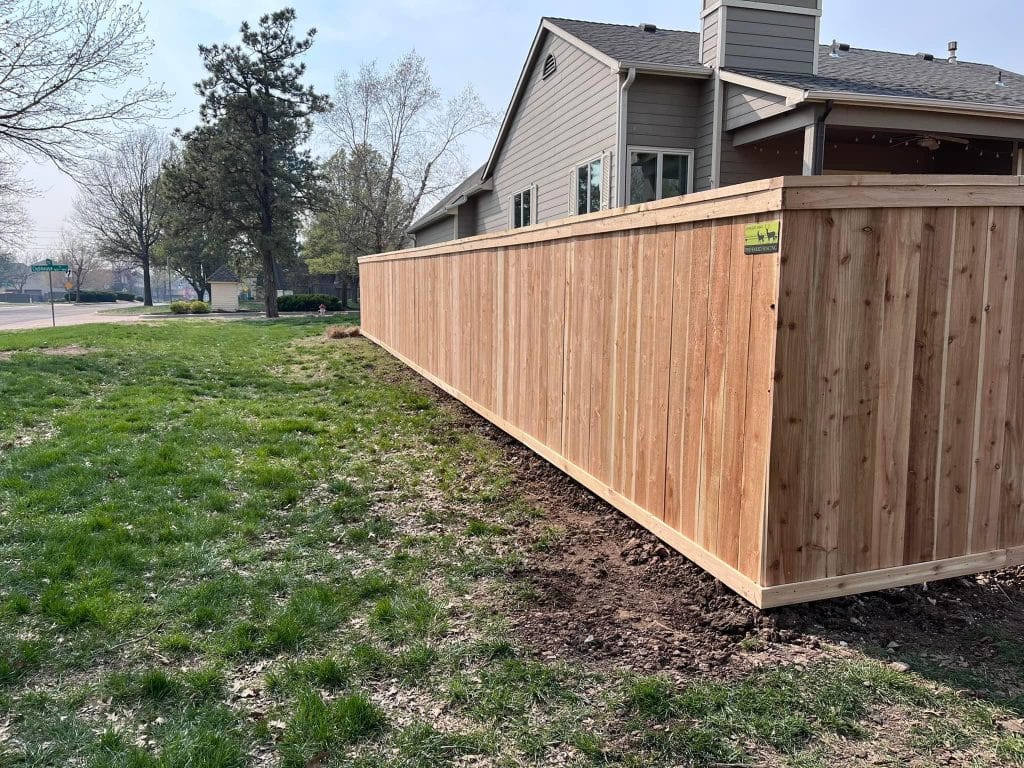
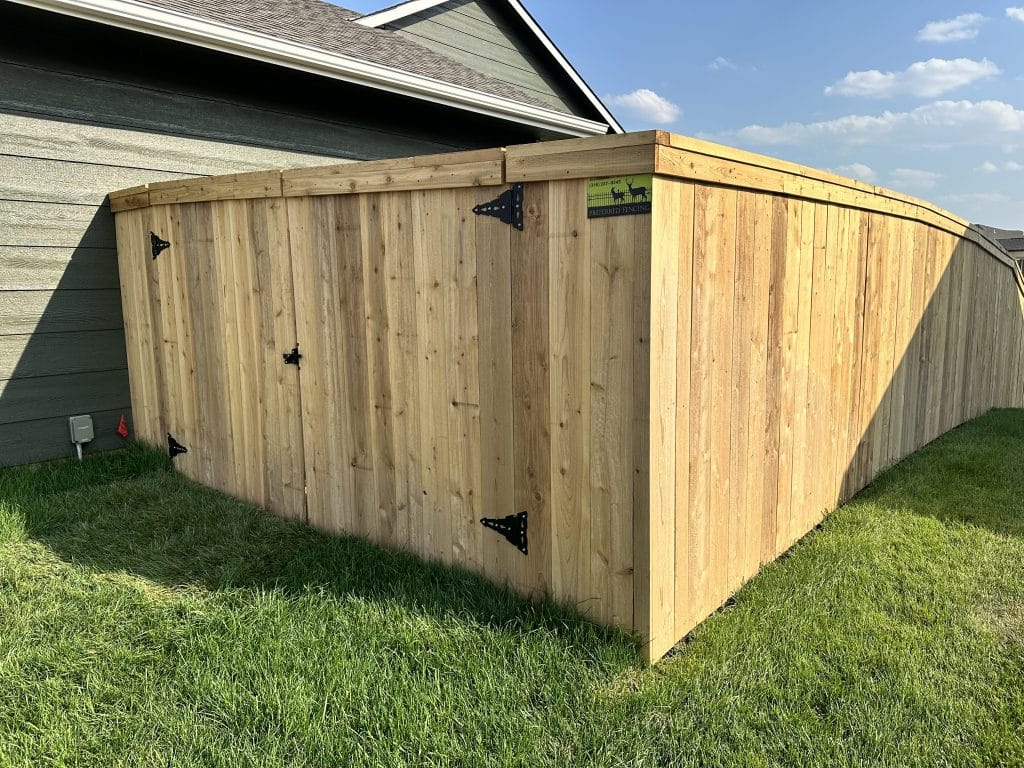
Cedar is often considered the gold standard for long-lasting wood fences. Its natural oils and resins act as built-in preservatives, protecting the wood from rot, moisture, and insects. Cedar also expands and contracts less than other woods, reducing the likelihood of warping and cracking over time. With proper care, a cedar fence can last 20–25 years or longer in Wichita’s variable climate.
To get the most from cedar, homeowners should apply a weather-resistant sealant every few years. This helps maintain its rich color and prevents UV fading, especially under Kansas sun exposure. Cedar also has a pleasant scent and smooth grain, giving it a polished look that complements nearly any home design.
Redwood – Premium Longevity and Beauty
If you’re seeking top-tier durability, redwood is an exceptional choice. It’s one of the longest-lasting wood species used for fencing, capable of surviving 25–30 years or more with minimal maintenance. Redwood’s dense grain and natural tannins make it highly resistant to insects, rot, and weather damage.
While it tends to be more expensive than cedar or pine, redwood’s luxurious color and durability make it worth the investment. For Wichita homeowners prioritizing long-term value and curb appeal, redwood remains one of the most reliable fencing materials available.
Pressure-Treated Pine: Affordable Strength
Pressure-treated pine offers impressive longevity at a lower cost. The wood is infused with preservatives that guard against rot, fungi, and insects, making it especially durable for ground-contact areas. A properly installed and maintained pressure-treated fence can last 15–20 years, even under heavy exposure to Kansas weather.
To keep it looking its best, regular staining or sealing is recommended. This prevents water absorption and extends its lifespan. Pressure-treated pine is also versatile; it can be painted or stained in a variety of finishes to match your property’s style.
Cypress and White Oak: Underrated Durable Options
For homeowners looking for something different, cypress and white oak are excellent alternatives. Cypress contains a natural preservative oil called cypressene, which makes it resistant to decay and insects. It’s commonly used in southern climates but performs well in Kansas as long as it’s sealed properly.
White oak is another strong contender. Its dense grain and heavy weight make it resistant to moisture and wear, though it requires skilled installation and sealing to maximize lifespan. These hardwoods are slightly less common but provide a distinctive appearance and strength for those seeking uniqueness and endurance.
Installation and Maintenance Matter
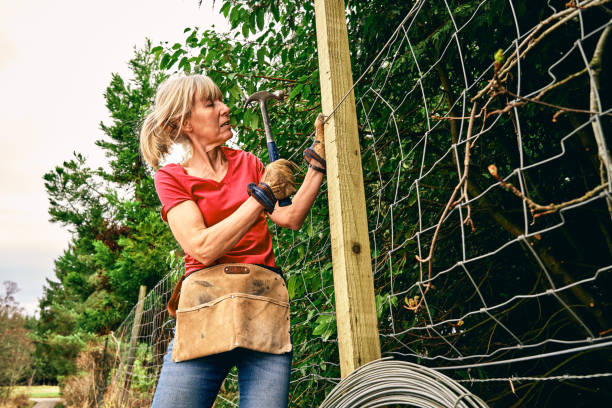
Even the most durable wood can fail prematurely if not installed or maintained correctly. The key to a long-lasting fence is keeping moisture away from vulnerable areas and ensuring solid support from the start. Posts should be set in concrete at least two feet deep to withstand wind and prevent shifting. Using galvanized or stainless-steel nails and fasteners helps prevent rust stains and structural weakening.
In Wichita’s environment, where summers are humid and winters can be freezing, it’s wise to inspect your fence annually. Small cracks, loose boards, or soil contact near the base should be addressed promptly to prevent larger issues later on.
How to Extend Your Fence’s Lifespan
- Apply stain or sealant every 2–3 years to repel water and block UV damage.
- Clean dirt, mildew, and debris regularly to prevent buildup.
- Keep plants, mulch, and soil from touching the wood base to avoid trapped moisture.
- Repair loose nails, boards, and posts as soon as possible.
- Consider adding a protective cap rail or trim board to minimize water absorption on the top edges.
By following these steps, homeowners can easily extend their fence’s life by five to ten years or more, no matter which wood type is used.
Which Wood Lasts the Longest?
So, what type of wood fence lasts the longest? Cedar and redwood lead the pack for their natural resistance to weather and insects, while pressure-treated pine offers excellent value for budget-conscious homeowners. Cypress and white oak provide additional durability for those looking for unique hardwood options. The key to longevity isn’t just the material, it’s also the craftsmanship and care that go into it. A professionally installed and maintained wood fence from Preferred Fencing LLC can stand firm for decades while adding natural charm to your property.
Preferred Fencing LLC – Wichita’s Long-Lasting Wood Fence Experts
Ready to build a wood fence that stands the test of time? Call Preferred Fencing LLC today at (316) 227-0345 or visit our Contact Page to schedule a free estimate. Our skilled team installs premium cedar, redwood, and pressure-treated fences designed for strength, style, and durability across Wichita and surrounding Kansas communities.