How Often Should You Replace a Wooden Fence? Wichita Homeowner’s Guide
Even the best-built wood fences won’t last forever. Over time, sun, rain, and temperature changes wear down the materials, leaving many homeowners asking, how often should you replace a wooden fence? The answer depends on the type of wood, how well it’s maintained, and the weather conditions in your area. Here in Wichita, most wood fences last between 15 and 25 years before needing full replacement. At Preferred Fencing LLC, we help homeowners recognize when it’s time to repair, restore, or replace their fence for maximum safety and curb appeal.
Average Lifespan of a Wooden Fence
The average wooden fence lasts about 20 years, though several factors can extend or shorten that timeline. Cedar and redwood are the longest-lasting species, while pressure-treated pine and spruce typically have shorter lifespans. Regular sealing, cleaning, and maintenance can make a fence last up to a decade longer than one that’s never maintained.
Here’s a quick look at how long each wood type generally lasts in Wichita’s weather…
- Cedar: 20-25 years
- Redwood: 25-30 years
- Pressure-Treated Pine: 15-20 years
- Spruce or Fir: 10-15 years
Keep in mind that Kansas winds, humidity, and sun exposure can all affect how quickly wood breaks down. High-quality installation and protection make all the difference.
Signs It’s Time to Replace Your Wooden Fence
Wood fences rarely fail overnight, problems usually start small and worsen over time. Replacing your fence at the right moment prevents safety hazards, property damage, and unnecessary maintenance costs. Here are the main indicators that it’s time for a replacement…
- Rotting or soft wood – When large sections of your fence feel soft or crumble easily, the structure has begun to fail.
- Leaning posts – If concrete bases or posts shift, the fence may no longer be stable or safe.
- Broken boards or rails – Frequent breaks or missing panels signal deep structural damage.
- Widespread discoloration – Severe weathering or UV fading often means the wood fibers are weakening.
- Loose or rusted hardware – Nails, screws, and brackets that no longer hold indicate age and corrosion.
If more than 20% of your fence shows these signs, replacement is usually more cost-effective than repair.
When Repairs Still Make Sense
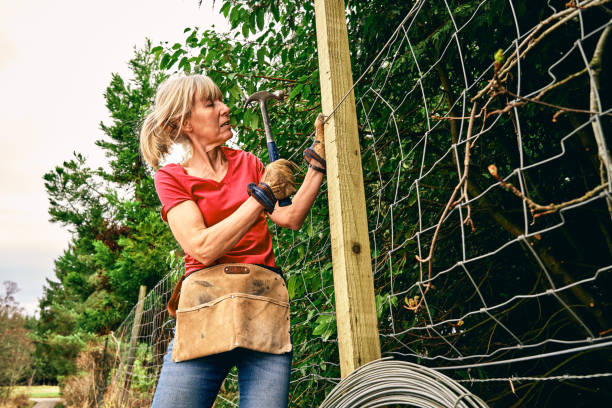
Not every aging fence needs immediate replacement. If damage is localized, such as a few broken boards, one loose post, or a small amount of rot, repairs may restore the fence for several more years. Re-staining or sealing can also revive appearance and protection. However, constant patching or major structural instability means the fence has reached the end of its service life.
At Preferred Fencing LLC, we inspect fences to determine whether simple repairs or a full rebuild will provide the best long-term value. Our team gives honest recommendations based on material condition and safety.
Why Fence Replacement Is Worth It
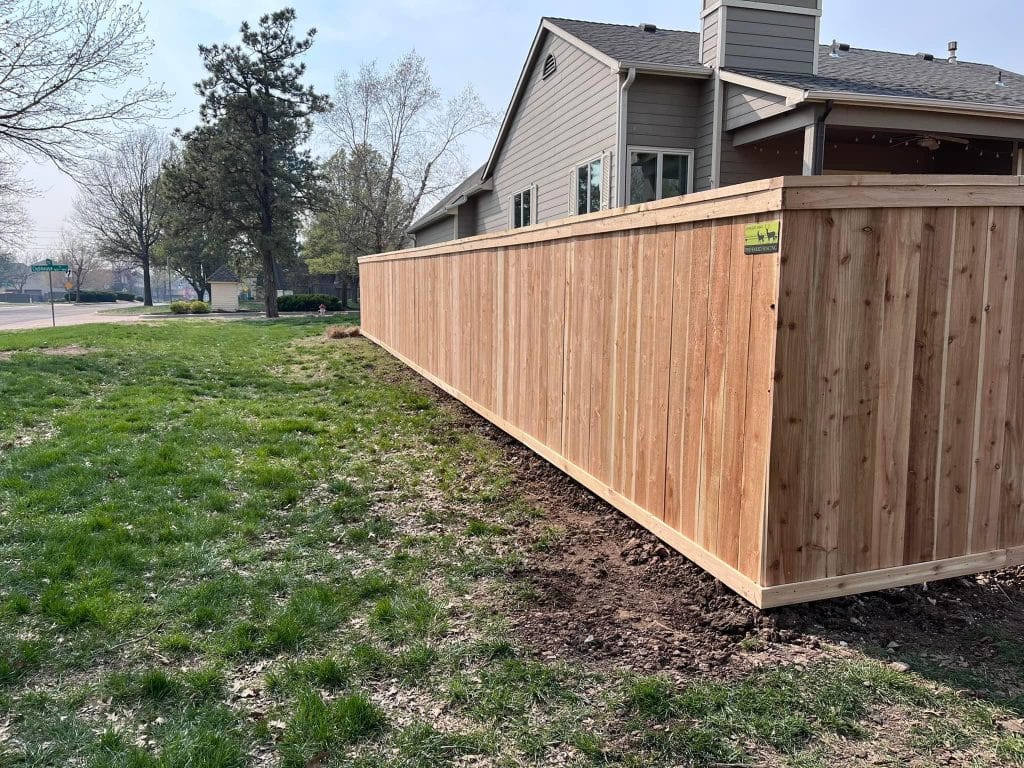
Replacing an old fence provides several benefits beyond just aesthetics. A new fence offers better security, stronger materials, and improved property value. Modern wood treatments, stains, and installation techniques make today’s fences far more durable than those built decades ago. You’ll also save on ongoing maintenance by starting fresh with new, treated materials designed for Wichita’s weather patterns.
Additionally, updating your fence can transform your outdoor space. A new cedar or treated-pine fence adds beauty, privacy, and structure to your yard while complementing landscaping and architecture.
How to Make Your New Fence Last Longer
Once you’ve replaced your fence, a few small habits will help extend its lifespan…
- Seal or stain your fence every 2–3 years to prevent water absorption.
- Keep grass, mulch, and soil away from the base to reduce moisture exposure.
- Rinse dirt and debris off the surface to avoid buildup and mildew.
- Inspect hardware after major storms and tighten or replace as needed.
- Trim nearby bushes or vines that can trap moisture against the wood.
These preventive steps can add 5–10 years to your fence’s lifespan, saving you money and time down the road.
Professional Installation Makes a Difference
Even the strongest wood won’t last long without proper installation. Deep-set posts, high-quality fasteners, and level construction ensure your fence can stand up to strong Kansas winds and temperature changes. Preferred Fencing LLC uses proven building methods and premium materials designed to deliver decades of strength and stability.
Our experienced installers understand the challenges of Wichita’s climate and soil conditions. From post setting to final staining, every step is handled with precision to help your new fence last as long as possible.
So, How Often Should You Replace a Wooden Fence?
On average, Wichita homeowners should expect to replace their wooden fence every 20 to 25 years, depending on the material and maintenance. Cedar and redwood offer the best longevity, while pressure-treated pine provides a solid budget option. If your fence shows signs of leaning, rotting, or widespread damage, a complete replacement will restore both safety and curb appeal.
Investing in a high-quality fence and maintaining it regularly means you may not have to ask this question again for decades.
Preferred Fencing LLC – Wichita’s Fence Replacement Experts
Is your old wooden fence past its prime? Call Preferred Fencing LLC today at (316) 227-0345 or visit our Contact Page to schedule a free estimate. We proudly install and replace wood fences across Wichita and the surrounding Kansas communities, built for beauty, durability, and lasting value.